

Key Takeaways
- Pain behind the eye points to a location, not one single source.
- Common reasons include dry eye, screen strain, uncorrected vision, and sinus pressure.
- Migraines and cluster headaches can feel like pain behind one eye.
- Sudden sharp pain with blurry vision, nausea, or halos needs quick care.
- Tracking your symptoms helps our team sort mild issues from urgent ones.
What Pain Behind The Eye Really Means
Pain behind the eye is a location, not a single cause, and the source could be your eye, your sinuses, or your head.
The pattern matters more than the side. A throbbing ache that comes and goes feels very different from sharp pain that hits fast. Paying attention to how your pain behaves gives our team, Calgary Family Eye Doctors, the tools we need to determine the underlying cause.
Common Reasons for Pain Behind the Eye
Dry Eye & Screen Strain
You blink less when you stare at a screen for hours. Less blinking leaves your eyes drier, which can bring on a burning, scratchy, tired feeling.
The good news is that this type of discomfort often eases with short breaks and rest. Looking away from your screen every 20 minutes can give your eyes a chance to recover.
Uncorrected Vision & Sinus Pressure
Farsightedness or astigmatism can make you squint more often as your eyes try to keep your vision clear. That extra effort can leave behind a tired ache by the end of the day.
Sinus congestion is another consideration. When your sinuses fill up, you often feel a fullness across your face, and that pressure often shifts when you bend forward to tie your shoes or pick something up.
Headaches That Feel Behind One Eye
Some headaches settle behind one eye and make the whole area feel sore. Watch for these patterns:
- Migraines bring throbbing, one-sided pain with light sensitivity.
- Cluster headaches cause sharp pain around the eye socket.
- Tearing, redness, or a stuffy nose can show up alongside the pain.
Serious Reasons to Know About
Most pain behind the eye has everyday causes. Some conditions, however, require immediate attention. These include:
- Acute glaucoma causes a sudden buildup of pressure in the eye, causing severe pain, nausea, and blurry vision, among other symptoms
- Optic nerve inflammation often shows up as pain when you move your eye.
- An eye socket infection can cause swelling and a bulging look.
These conditions are less common, but they move quickly. Emergency care can help protect your vision.
When to Worry About Pain Behind the Eye
Signs That Need Quick Care
Reach out for care right away if you notice any of the following:
- Sudden sharp pain paired with blurry vision.
- Nausea, vomiting, or halos around lights.
- Fever, swelling, bulging, or double vision.

How to Find Relief & What to Keep Track Of
Details to Note Before Your Visit
Taking some notes before your appointment can help make sure that things go smoothly. Pay attention to:
- Which eye hurts, and what the pain feels like.
- Any redness, blur, fever, or headache that accompanies your pain.
- Links to screen time, congestion, or a recent cold.
How Our Team Can Help
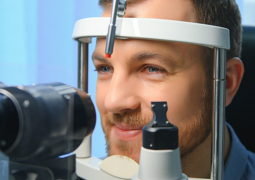
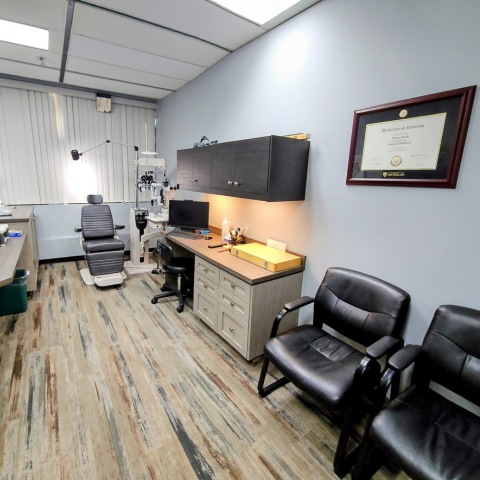
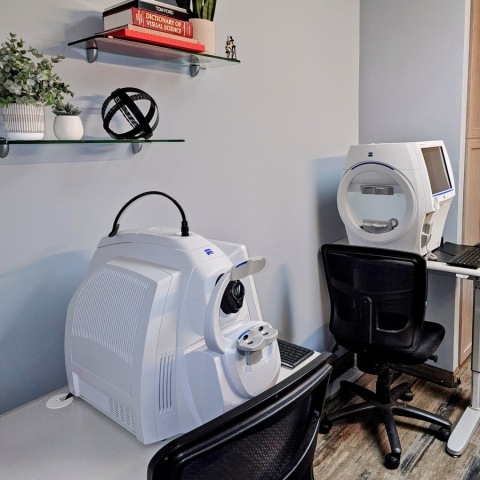
An eye exam can help distinguish common discomfort from more serious conditions that need more involved care. At Calgary Family Eye Doctors, we can walk you through our findings and help you plan your next steps.
Pain behind your eye doesn’t have to leave you guessing. Book your eye exam today and take the first step toward clearer, more comfortable vision.