
Key Takeaways
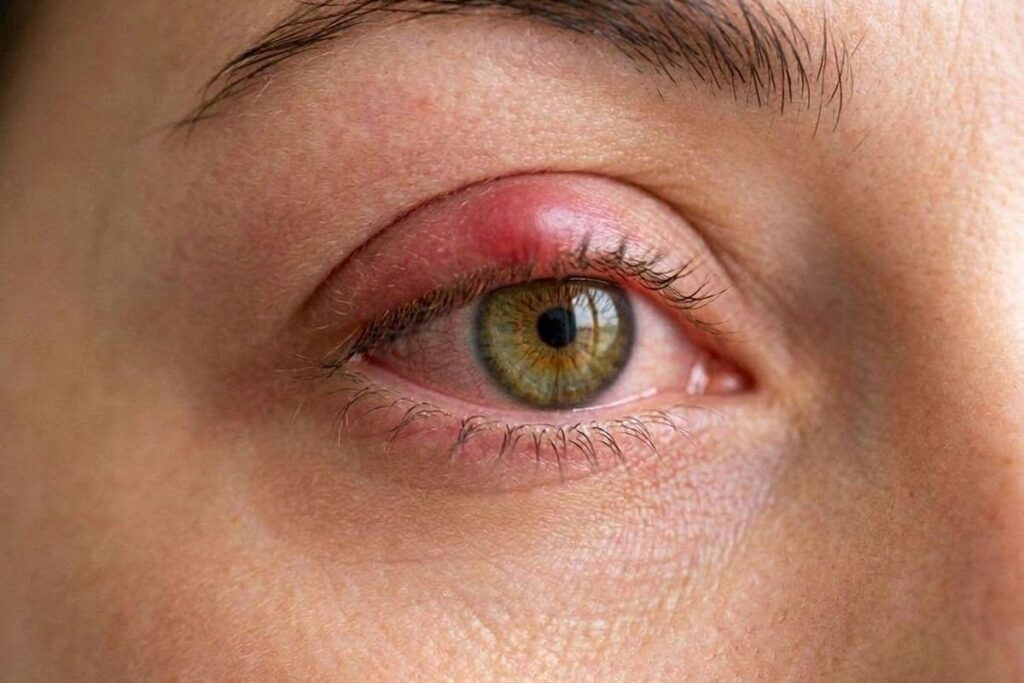
- A stye is a small, tender bump near the edge of your eyelid that looks like a pimple.
- Most styes are caused by a blocked oil gland or bacteria caused by unwashed hands.
- A warm compress used a few times a day can help a stye drain on its own.
- Popping or squeezing a stye can spread bacteria and make things worse.
- Reach out for care if a stye lasts longer than two weeks or your vision changes.
What a Stye Is & How It Forms
You wake up, glance in the mirror, and notice a sore red bump sitting right at the edge of your eyelid. It stings a little when you blink, and it looks a lot like a tiny pimple or boil.
A stye is a small, painful lump that forms along the eyelid when an oil gland becomes blocked and bacteria start to build up. While there’s no instant fix for styes, good eyelid hygiene and a warm compress used several times a day can help them clear within 1–2 weeks.
If you have a persistent stye, or simply need treatment advice, our team at Calgary Family Eye Doctors is here to help.
Signs & Symptoms to Watch For
The following are all potential signs of a stye:
- A red, tender bump along the edge of your eyelid
- Swelling around the area and a watery eye
- Soreness or a gritty feeling when you blink
Why Styes Happen & Who Gets Them
Common Causes
Most styes start with a clogged oil gland at the base of an eyelash. Bacteria can settle into the clogged gland, in which case a tender bump may form.
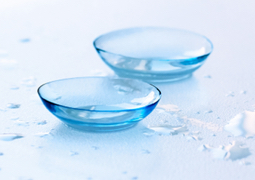
Daily habits play a big role in the development of styes. Rubbing your eyes with unwashed hands, sleeping in old makeup, or wearing contact lenses that haven’t been cleaned can all transfer bacteria straight to your eyelid.
How Styes Spread
Bacteria travel more easily than you might think. While styes themselves aren’t contagious, shared pillowcases, washcloths, or tubes of mascara can pass the bacteria that causes styes from one person to another.
Washing your hands before you touch your face goes a long way towards prevention, as so do careful contact lens habits.
Stye Versus Chalazion
A chalazion resembles a stye and also occurs in blocked oil glands. However, the two aren’t the same. Chalazia often times can also start as a stye.
How to Get Rid of a Stye at Home
Most styes settle down with a little patience and a simple routine. Try these steps:
- Use a heated eye mask and hold it gently against the bump for about ten minutes, 3 or 4 times a day. A heated eye mask helps loosen the blocked oil so that it can drain.
- Keep the eyelid area clean by washing it softly with mild soap and warm water, or by using lid wipes.
- Skip your contacts and makeup until the stye clears, as wearing contacts too long can trap more bacteria.
What Not to Do
Never pop or squeeze a stye. Pressing on it can push bacteria deeper and spread the problem across your eyelid.
Avoid sharing towels, washcloths, or cosmetics while you heal. This helps keep the bacteria from reaching anyone else in your home.
When to See the Family Eye Doctors in Calgary
Most styes fade on their own, but some need a closer look. Reach out if you notice any of the following:
- No improvement after 2 weeks of warm compresses
- Swelling that spreads toward your cheek or the rest of your face
- Changes in your vision, bleeding, or strong pain
If your stye keeps coming back or won’t budge, our team at Calgary Family Eye Doctors can take a look and help you find relief. Book your appointment today and give your eyes the care they deserve.